
Mazes and Labyrinths
A brief review, and a selection of pictures, from an old book.

It’s been a while since I have done a book review, unless you count my latest Borges commentary, so for this month I want to get back into the business of introducing my readers to a few of the many books I have read, beginning with this gem I found on Internet Archive titled “Mazes and Labyrinths” by William Henry Matthews.
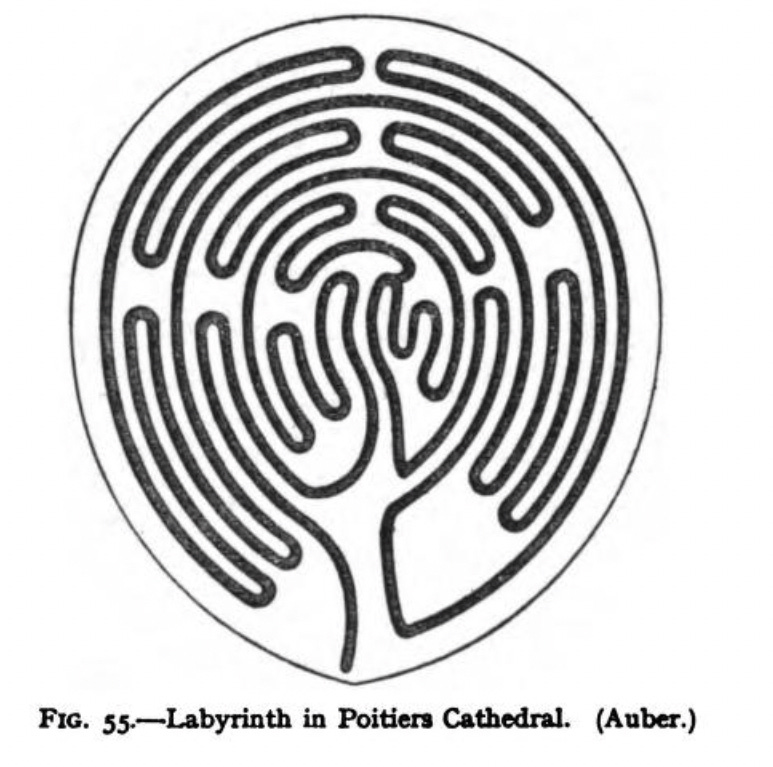
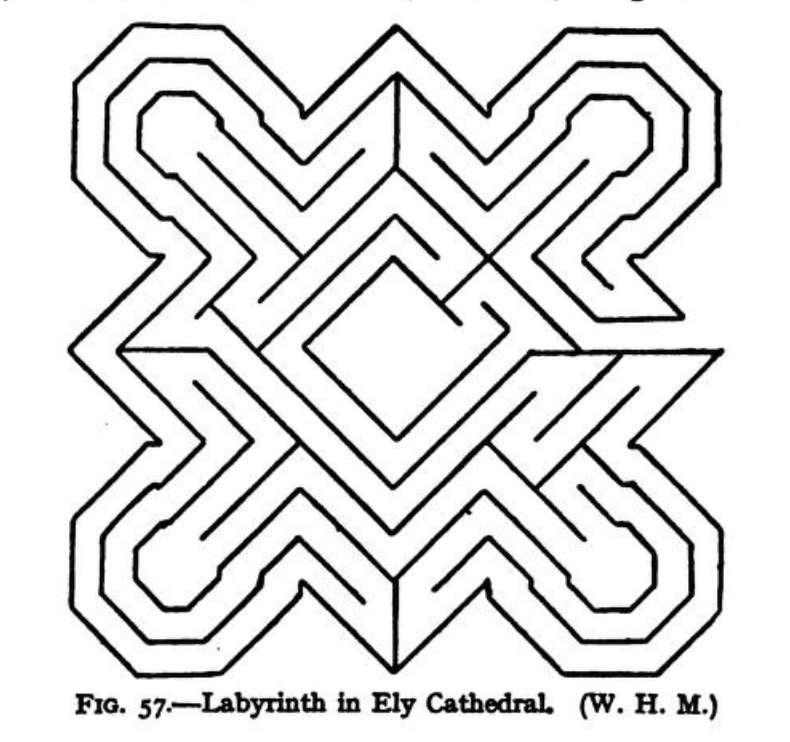
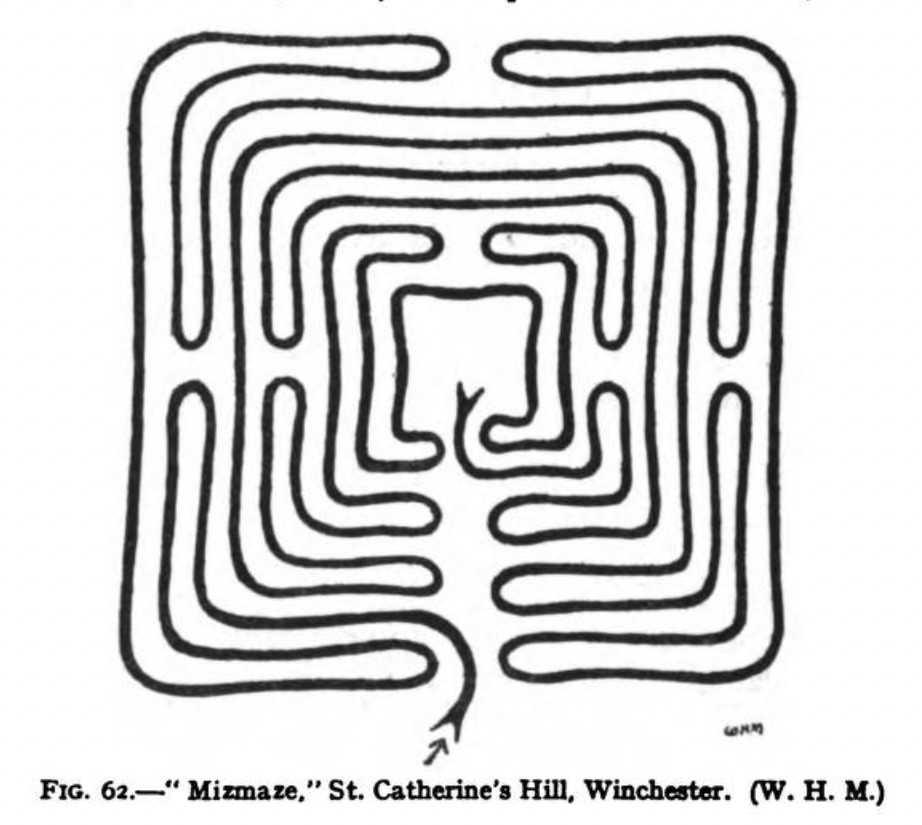
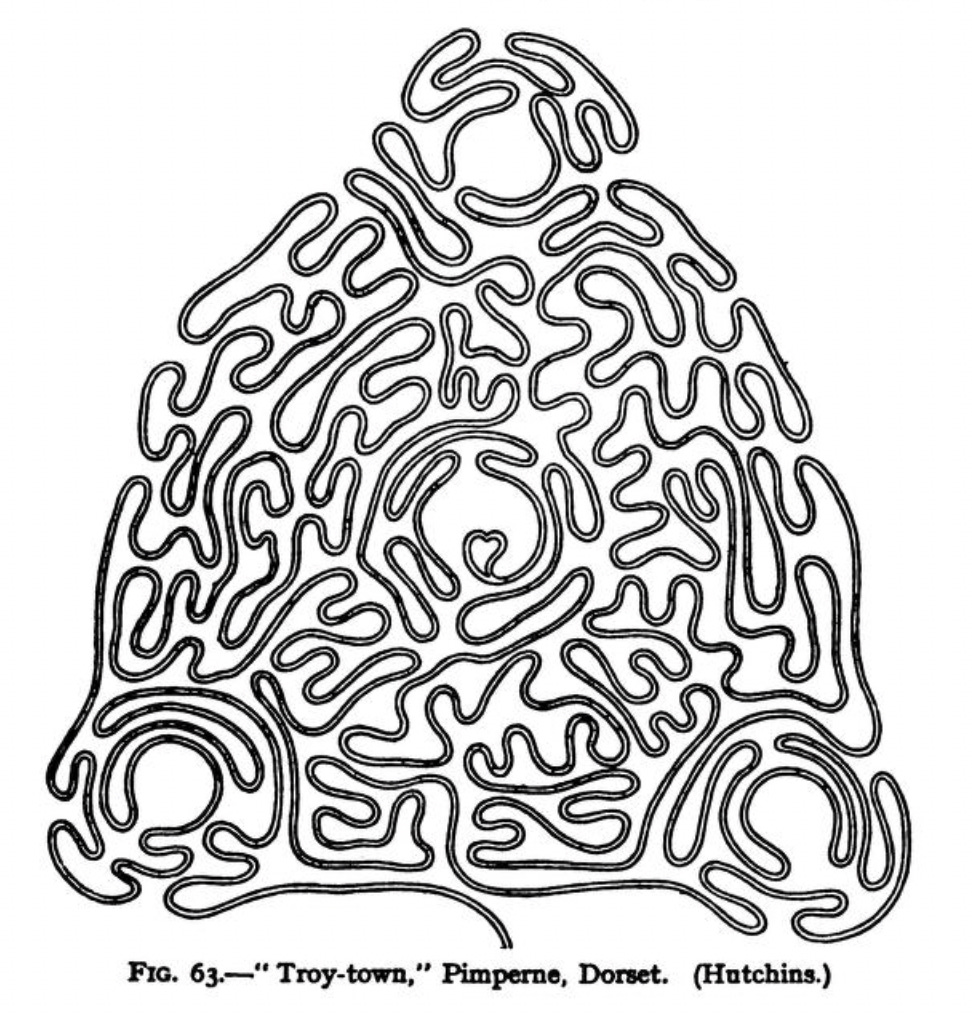
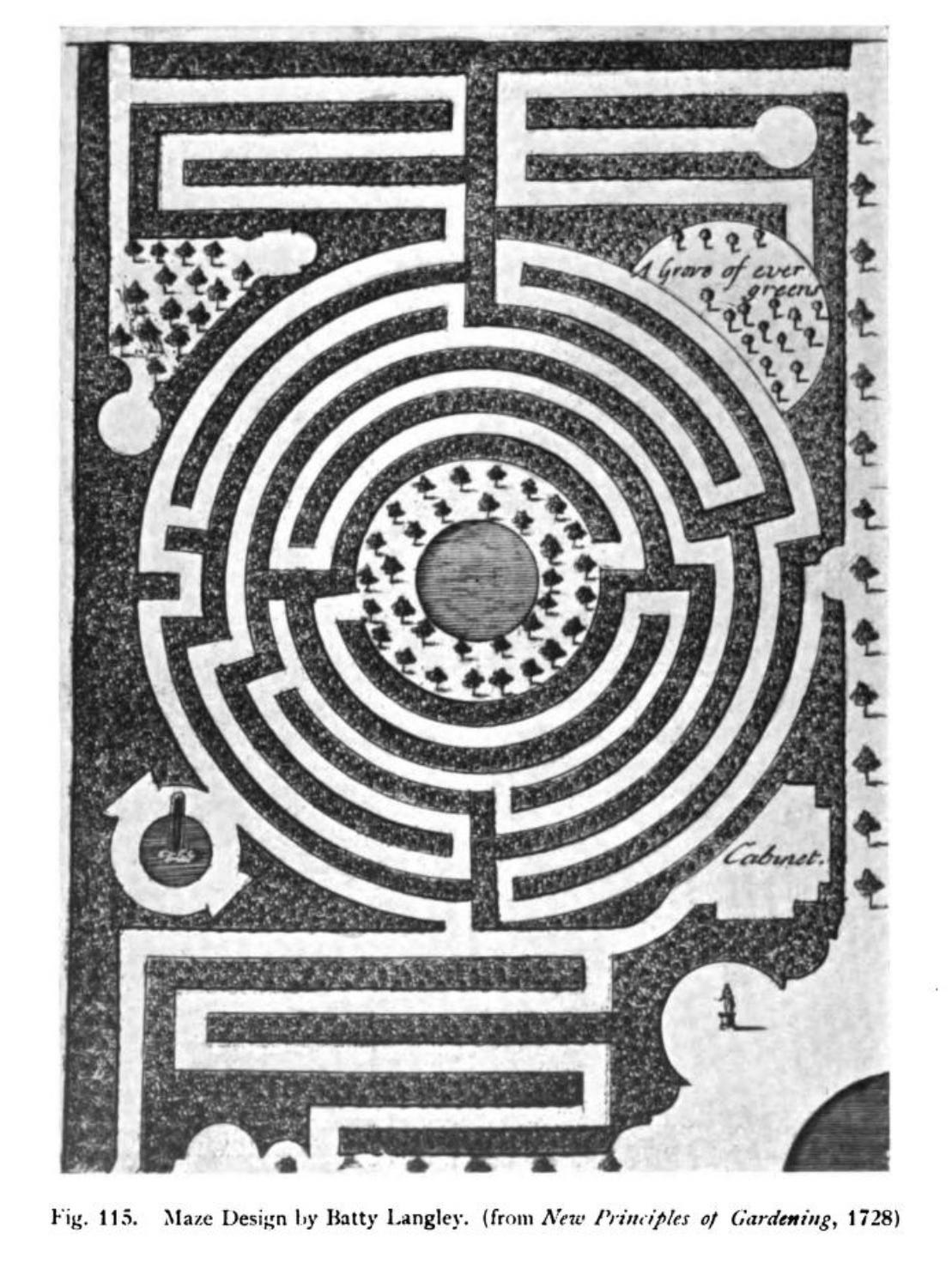
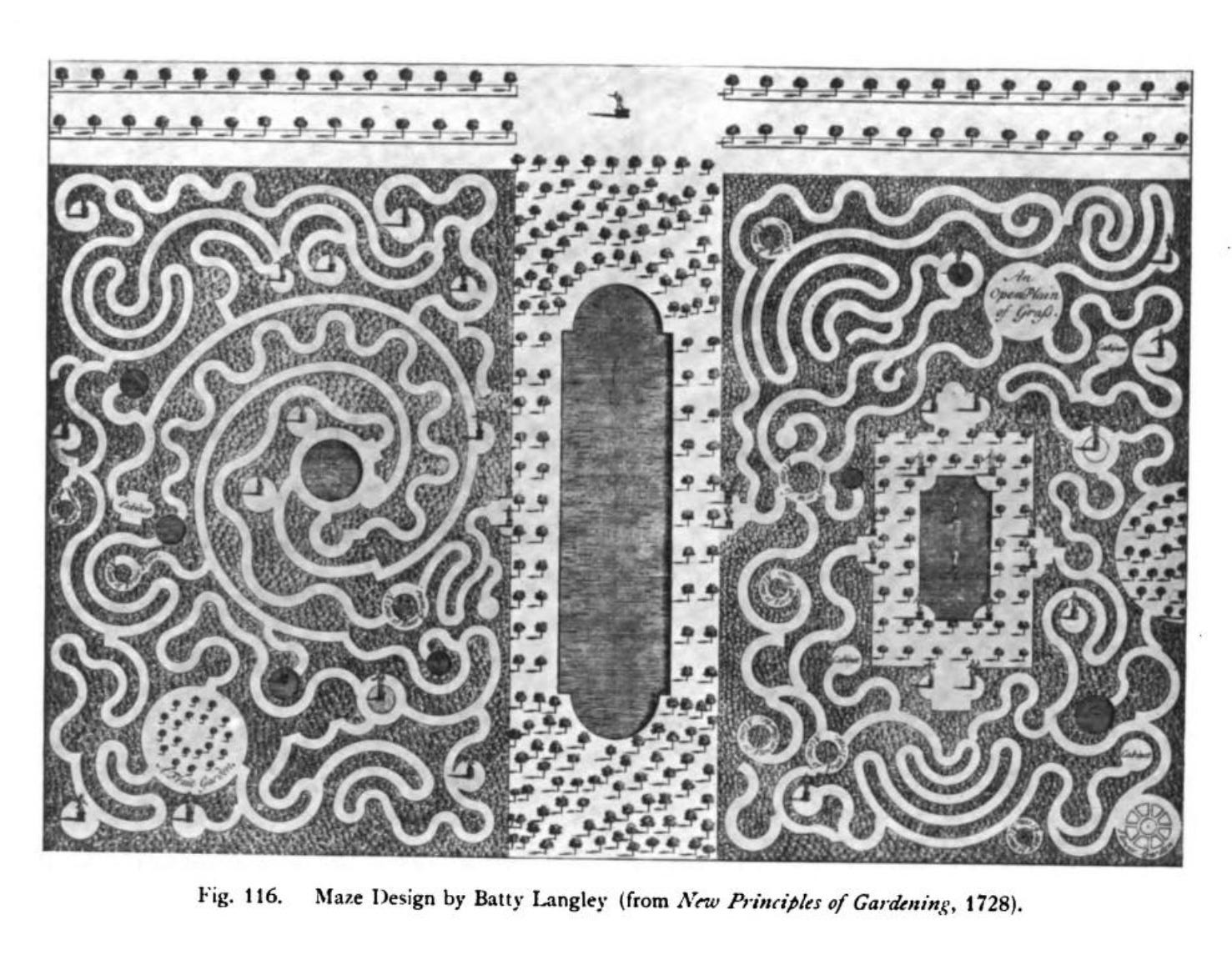
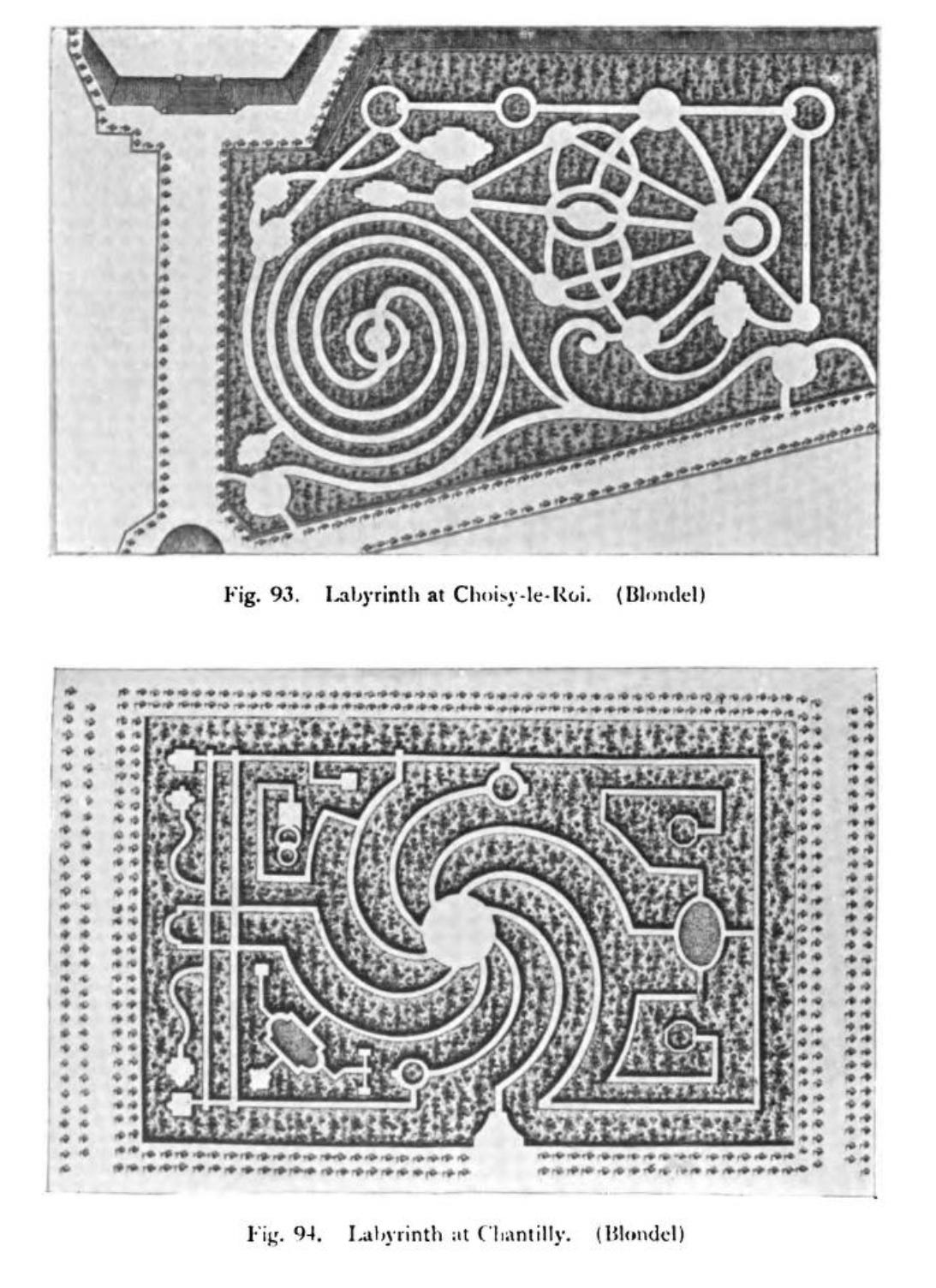
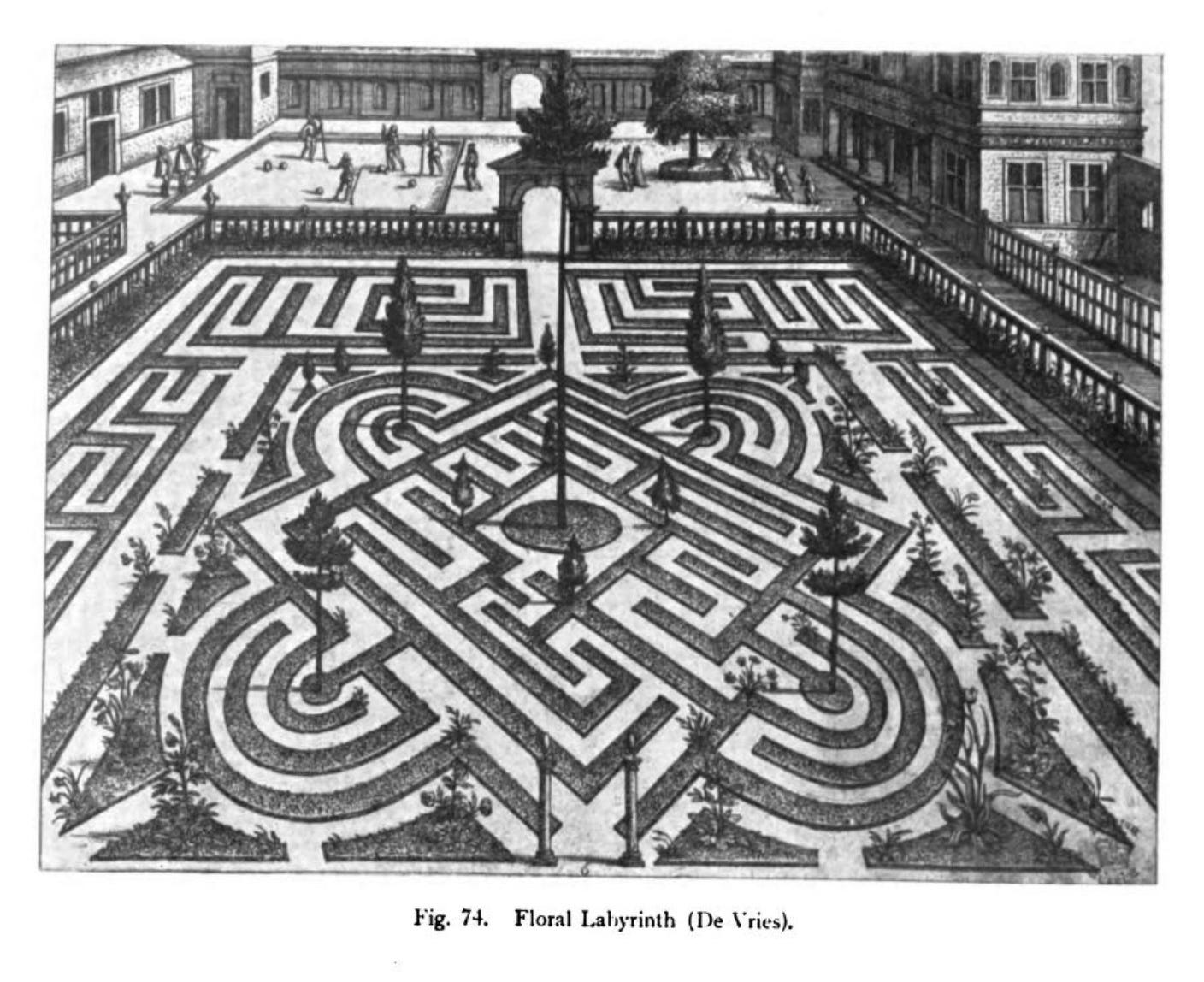
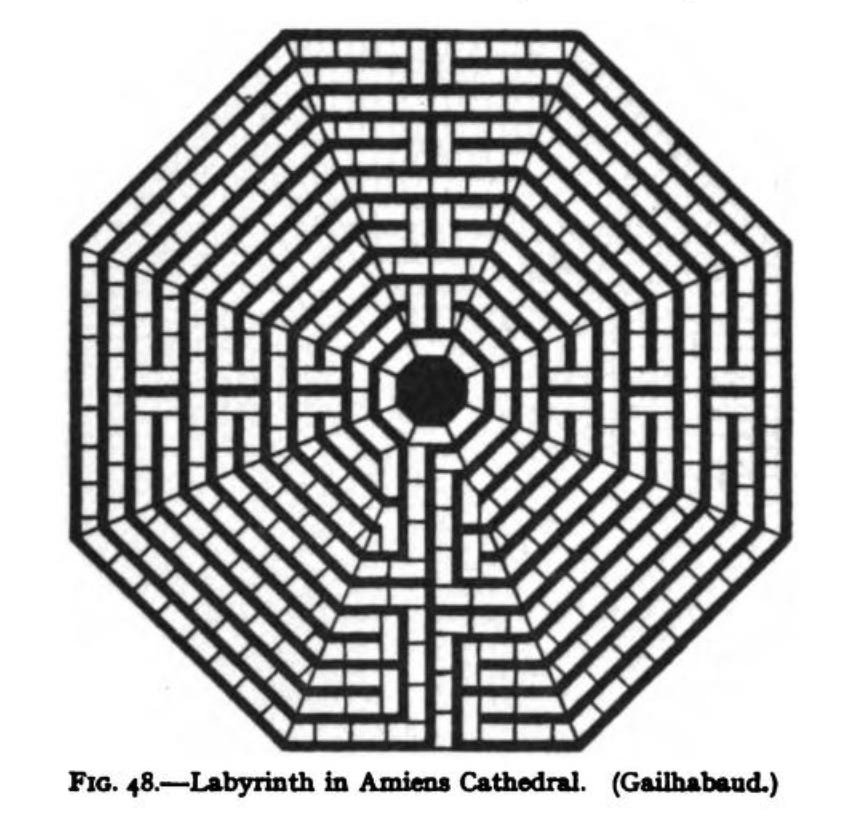
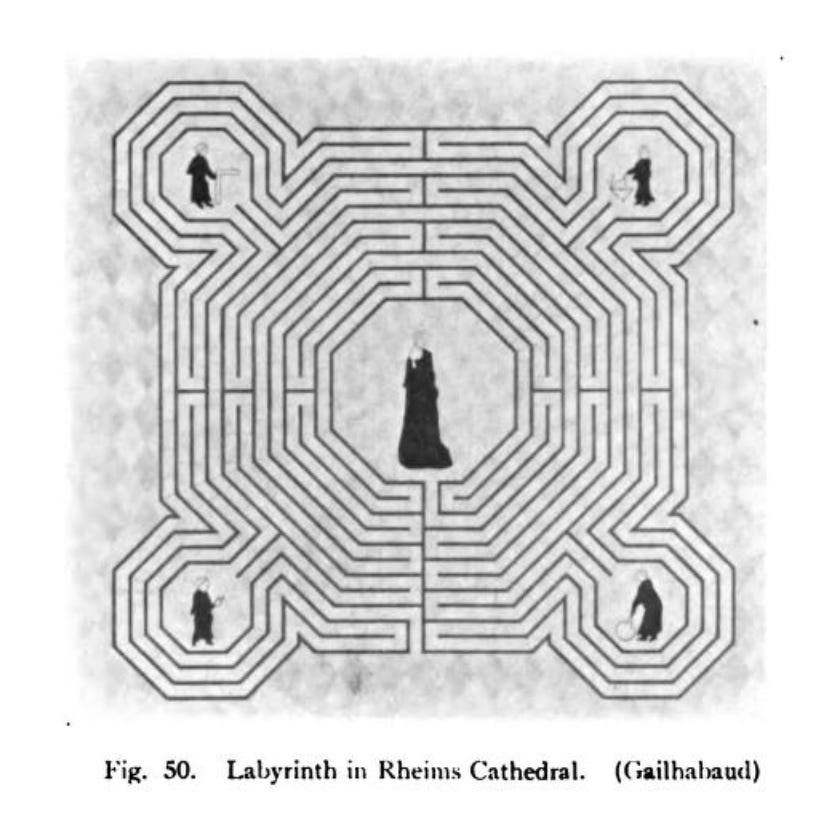
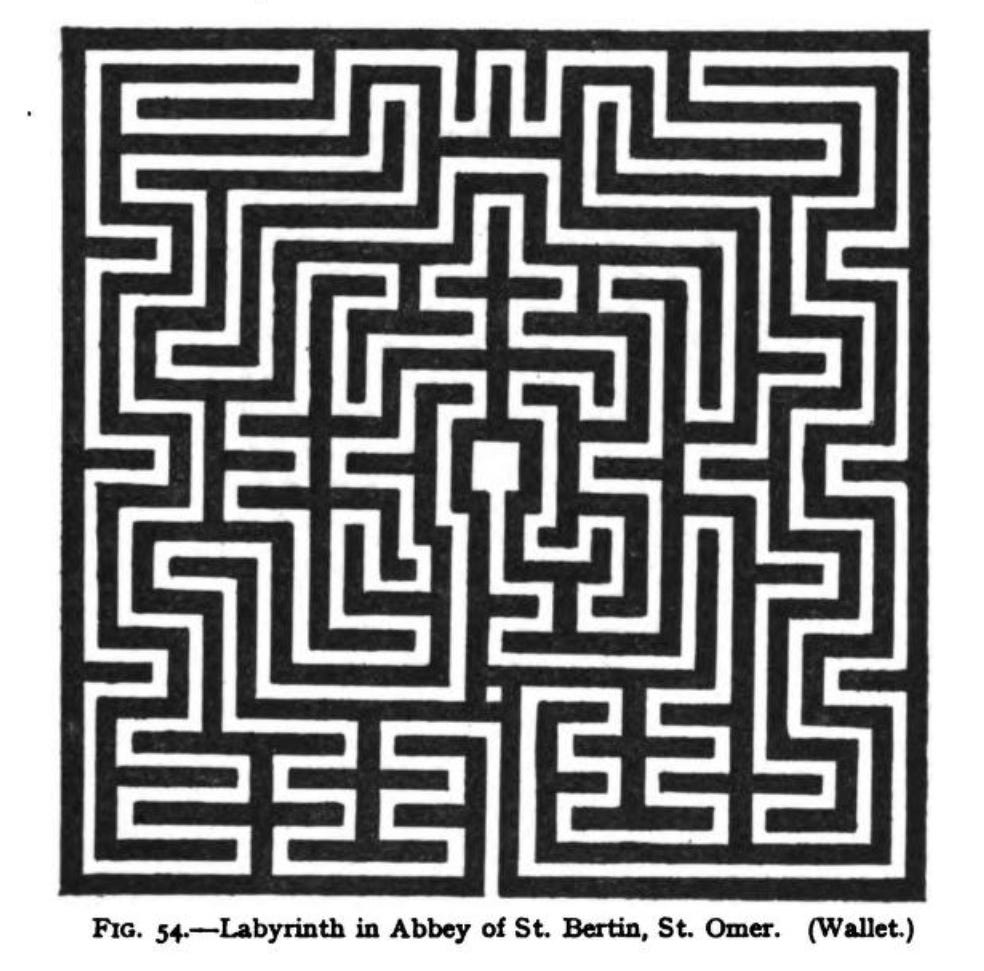
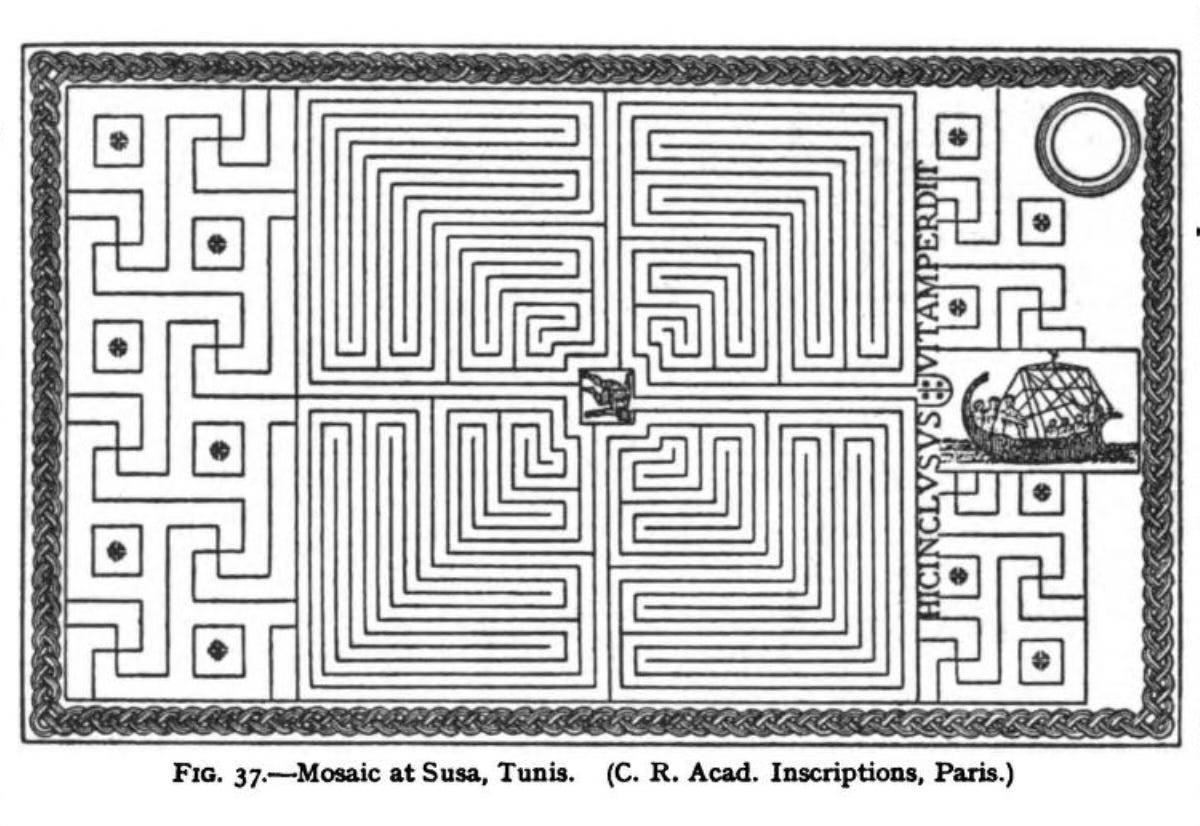
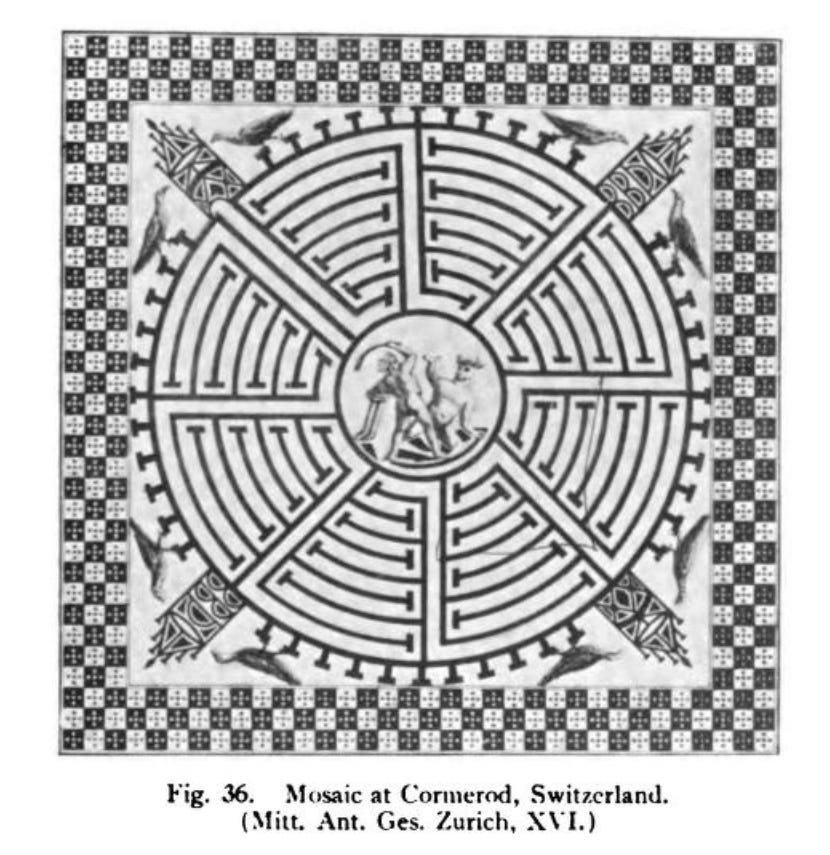
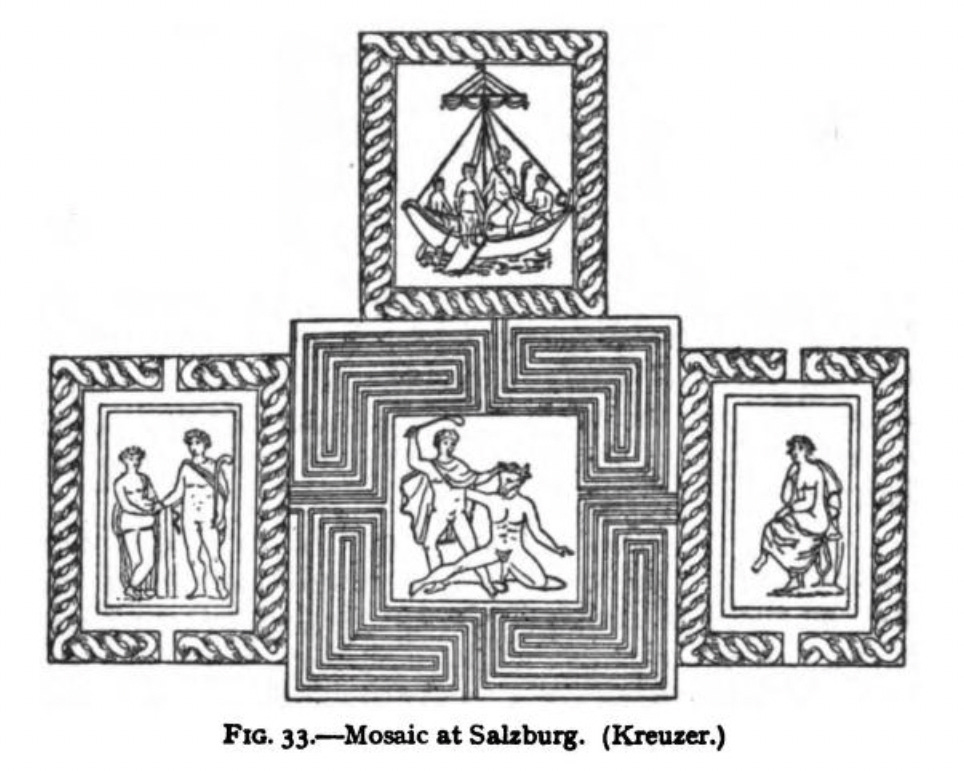
This book is essentially a history of mazes and labyrinths, focusing mainly on their presence and cultural significance in Europe and Britain. While there are a few interesting bits of trivia, most of the book is fairly uneventful. But it more than makes up for it with its many prints of mazes and labyrinths of all shapes, sizes and mediums.
It’s for this reason that I have chosen to use this book as a source for the kind of “picture compilation” articles that I often see on Substack, such as those of M. E. Rothwell, Hilary White, or Kjeld Duits. Below, I have included a few of the many fascinating designs from this book that found particularly interesting.
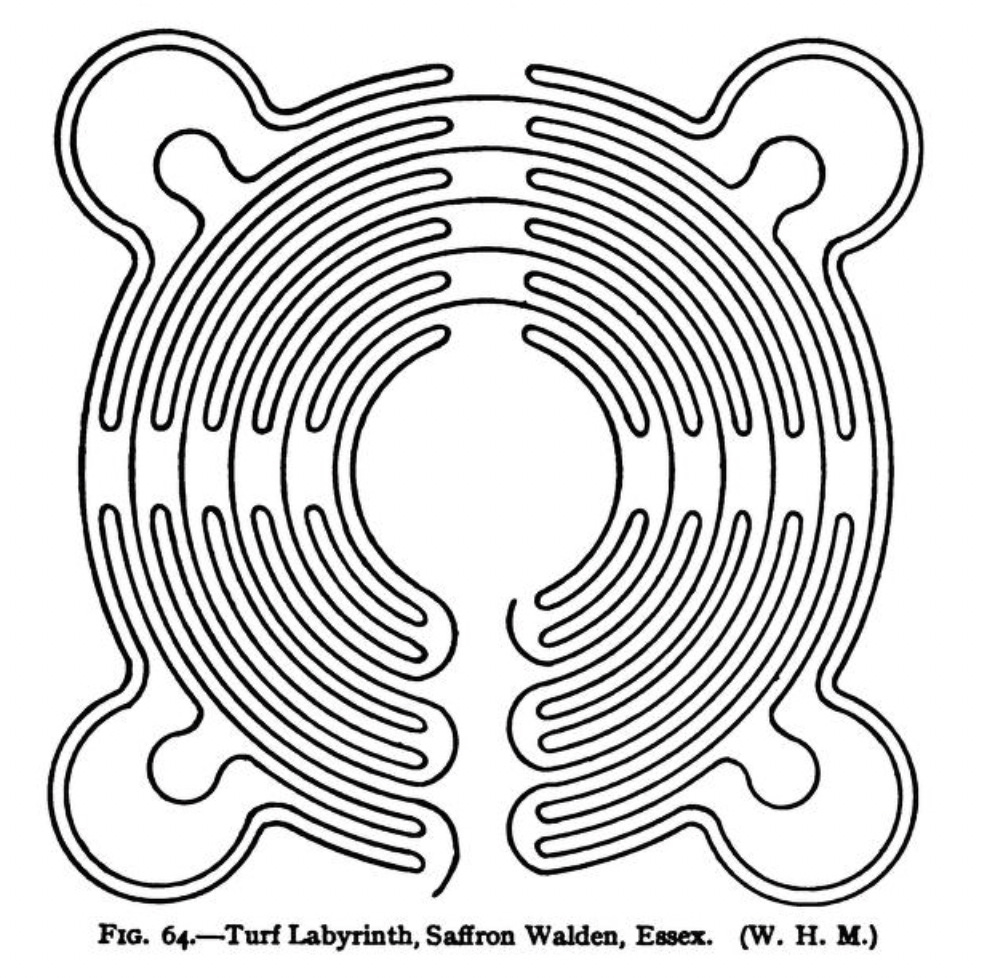
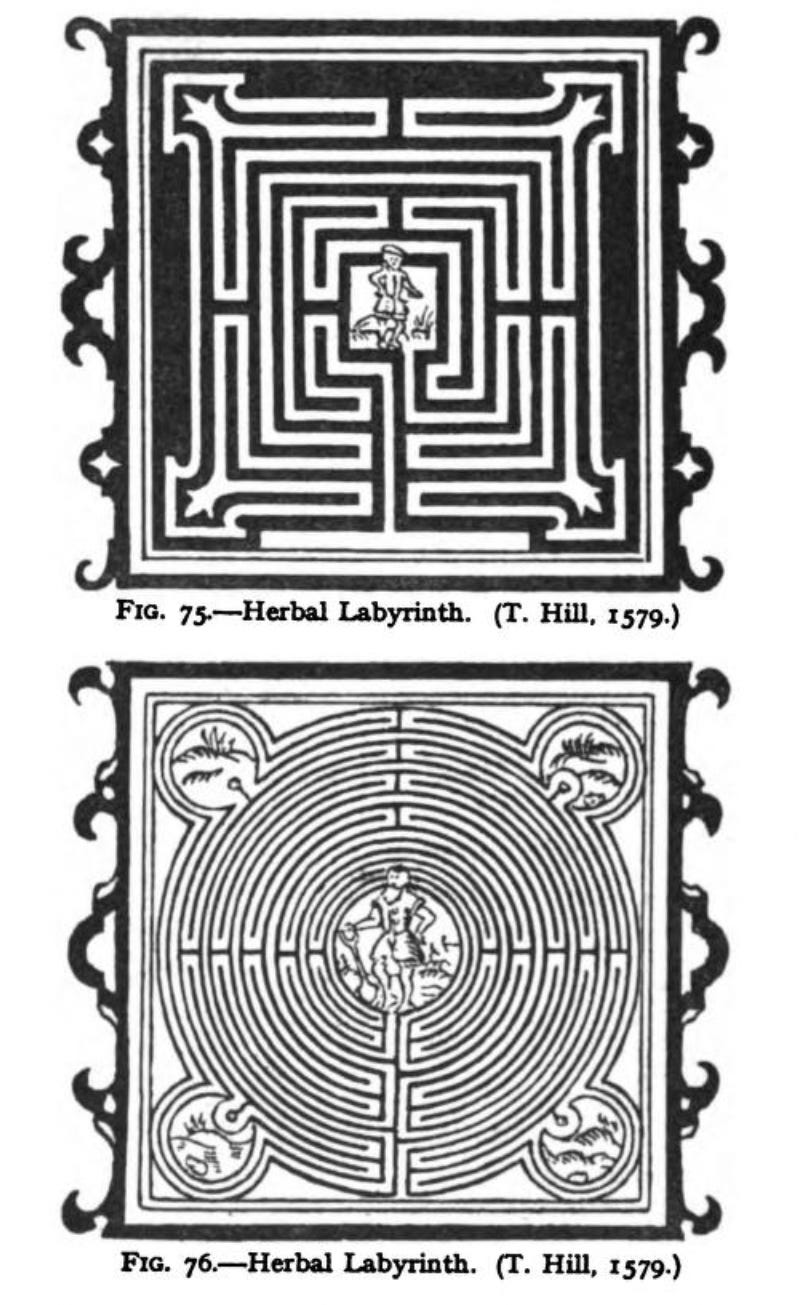
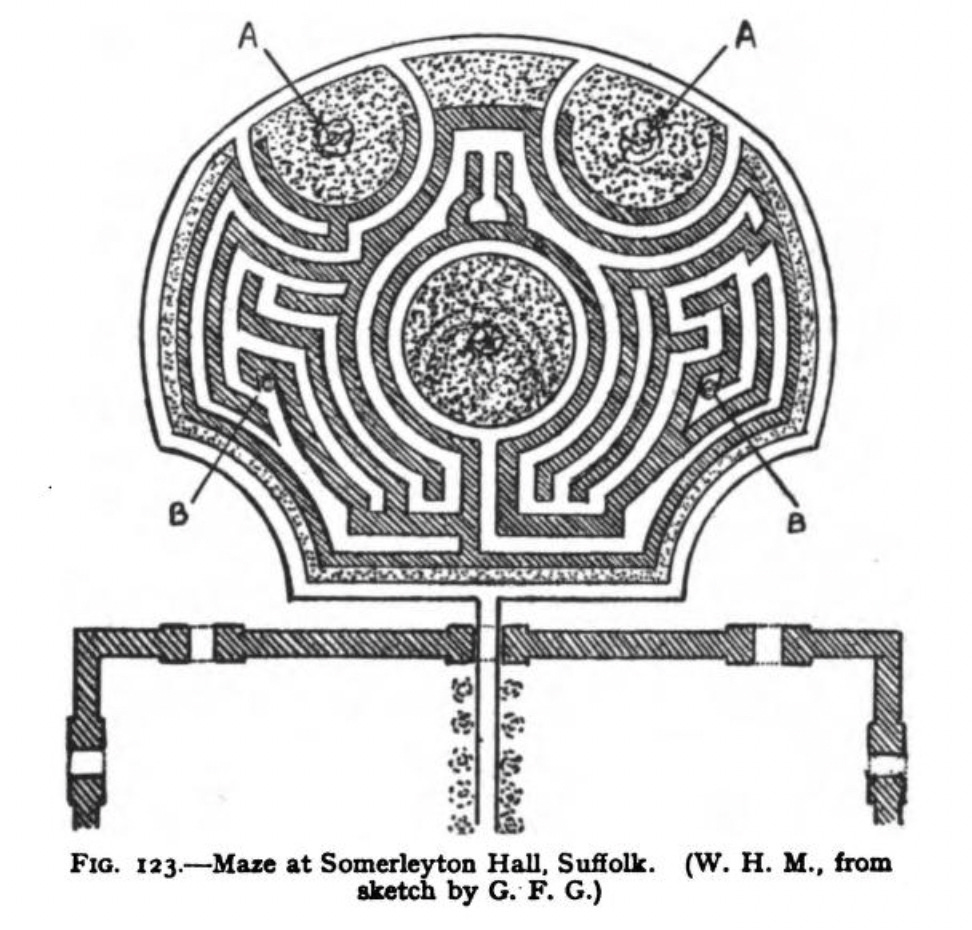
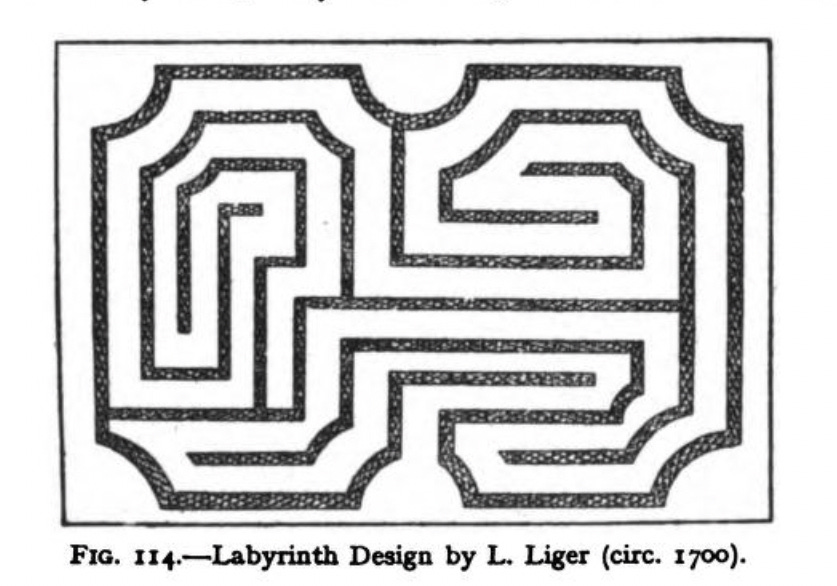
Readers who feel very appreciative can “buy me a coffee” via my Ko-Fi page, here.
One can confront hyphae with microscopic labyrinths and watch how they nose their way around. If obstructed, they branch. After diverting themselves around an obstacle, the hyphal tips recover the original direction of their growth. They soon find the shortest path to the exit, just as my friend’s puzzle-solving slime molds were able to find the quickest way out of the IKEA maze. If one follows the growing tips as they explore, it does something peculiar to one’s mind. One tip becomes two, becomes four, becomes eight—yet all remain connected in one mycelial network. Is this organism singular or plural, I find myself wondering, before I’m forced to admit that it is somehow, improbably, both. - Merlin Sheldrake, Entangled Life